
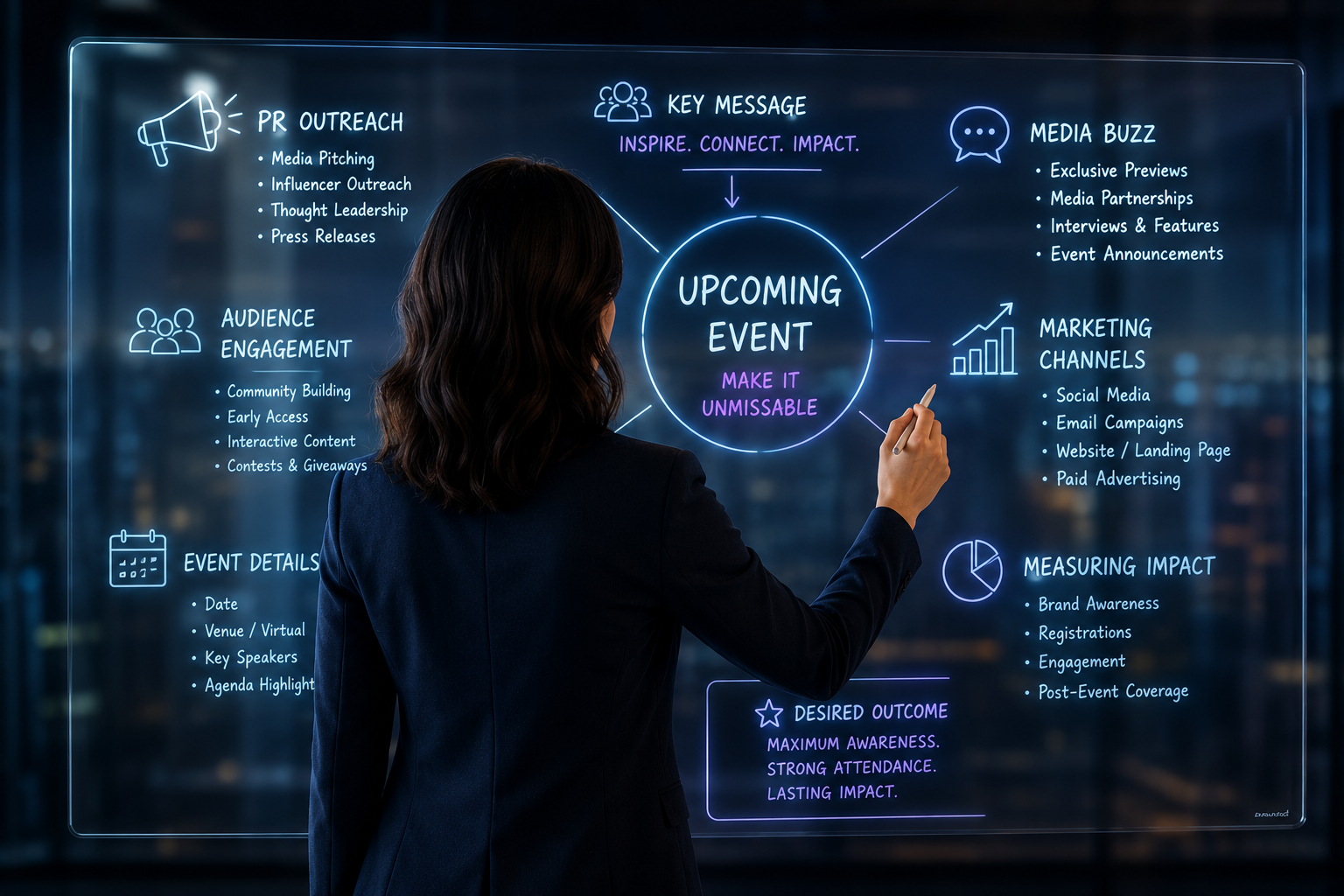
As we head into summer, trade shows aren’t usually foremost in the minds of marketing and PR teams. But prepare for the fall! This year continues a trend that has been building (or should we say, reducing) over the past few years.
While trade show attendance has been steadily recovering since 2020, conversely, media attendance and coverage is in decline. Even as exhibition halls fill up, it’s getting harder to get news out.
It can be a big decision to use budget for trade show attendance, so while we head into the typically quieter months of July and August, we look at the reasons for this decline and give some tips to help you get greater value from your investments as shows start ramping up in the fall.
Why Trade Show Media Coverage is in Decline
In the past, media briefings could be arranged and press releases sent out, and companies could almost guarantee coverage. Tech events were broken down daily on multiple news sites, and company news was everywhere. Today, that level of editorial coverage seems to be reserved for larger shows like Mobile World Congress and CES. So, why is that?
One reason is a changing media landscape. Mergers and consolidations have led to fewer publications and smaller editorial teams. Many media outlets can’t send teams to every event, and coverage is getting selective.
As journalist numbers decline, social media can provide a flavor of the event. Tech event organizers want you to promote their shows on social media to your followers, using their hashtags. However, as company budgets tighten, the size of marketing teams at events also shrink. Attendees are overworked during shows, meaning social media is often an afterthought. Many post only once the doors have closed, missing the real time conversations that generate the greatest engagement.
A growing reliance on AI-generated summaries is also contributing to this editorial decline. AI searches tend to cite trusted media outlets rather than newswire services. Content from industry influencers that includes statistics, evidence, and clear figures, also gets preference with the agents.
Shift Your Event Perspective
It’s time to shift activities and the way companies think about trade show marketing and PR. Here are some tips:
Pre-Event
• Build your narrative: Don’t expect fanfare around a new product or solution. ‘We are launching XXX’ will rarely cut it today. Instead, identify the industry or customer issue you are solving. Craft your narrative around this and build a list of approved AI-citable soundbites and messaging you can use to deliver rapid responses to industry news articles, ensuring your company is consistently cited as you count down to the event. Press releases remain important, but everything you do must support your primary narrative.
• Prioritize budget on creating customer case studies and conducting industry research where you can, to build proof points you can cite to show how your company is solving the problem.
• Leverage industry relationships with analysts and journalists to deliver thought leadership and gain third-party endorsements.
• With fewer media representatives, it’s even more important to identify who will attend, along with the analysts and podcasters, and book their time in advance (6-8 weeks, or more, depending on the event and projected attendance).
During The Event
• Event networking hasn’t changed. In an increasingly digital world, events allow your company to get greater value from face-to-face conversations in the corridor, at keynote discussions, in social settings and more.
• You can strengthen existing relationships and build new ones with influencers, whose endorsements will help amplify analyst and media coverage and enhance AI discovery and citation long after the event ends.
• Create marketing collateral and other content, including executive videos, customer commentary, videos from your booth and more. Use this content to support and expand your narrative throughout the year.
Shift your event perspective. In addition to networking opportunities, tech events provide the perfect environment to get executives, customers and other industry influencers under one roof. Instead of judging the value of industry tech shows on the number of analyst and media interviews you can book, identify the number of business assets you can create to support your narrative.
Use AI to buy time and expertise
We know that as marketing teams shrink, creating additional collateral could seem like an impossible task alongside other event activities, but with AI tools, you can do more, including:
• Real-time trend analysis: Gain a rapid view of key event themes by feeding snippets of data gleaned from customer and prospect meetings, executive interviews, keynotes, hallway conversations, analyst comments and more into AI tools (remember to scrub identifiers where required to comply with data regulations.)
• Executive support: Use output from AI tools to deliver real-time insights from the event to your executives, ahead of meetings.
• Content production: AI editors, transcript builders, and other tools can create and package content in hours rather than weeks (make sure a person reviews for accuracy and gains appropriate approvals before publishing).
As event media coverage declines, companies must be their own media outlets. Even with AI tool support, that’s a lot as budgets and in-house marketing and PR teams shrink.
Contact us to discover how we can help you get your company and executives trending at events. Leverage our industry relationships and expertise gained over 27 years, so your teams can make the most of the conversations and opportunities happening in person at events.
Calysto is currently offering a free analysis of the success of your current PR program as well as a free Share-of-Voice report on your company (or product) vs. its key competitors.