
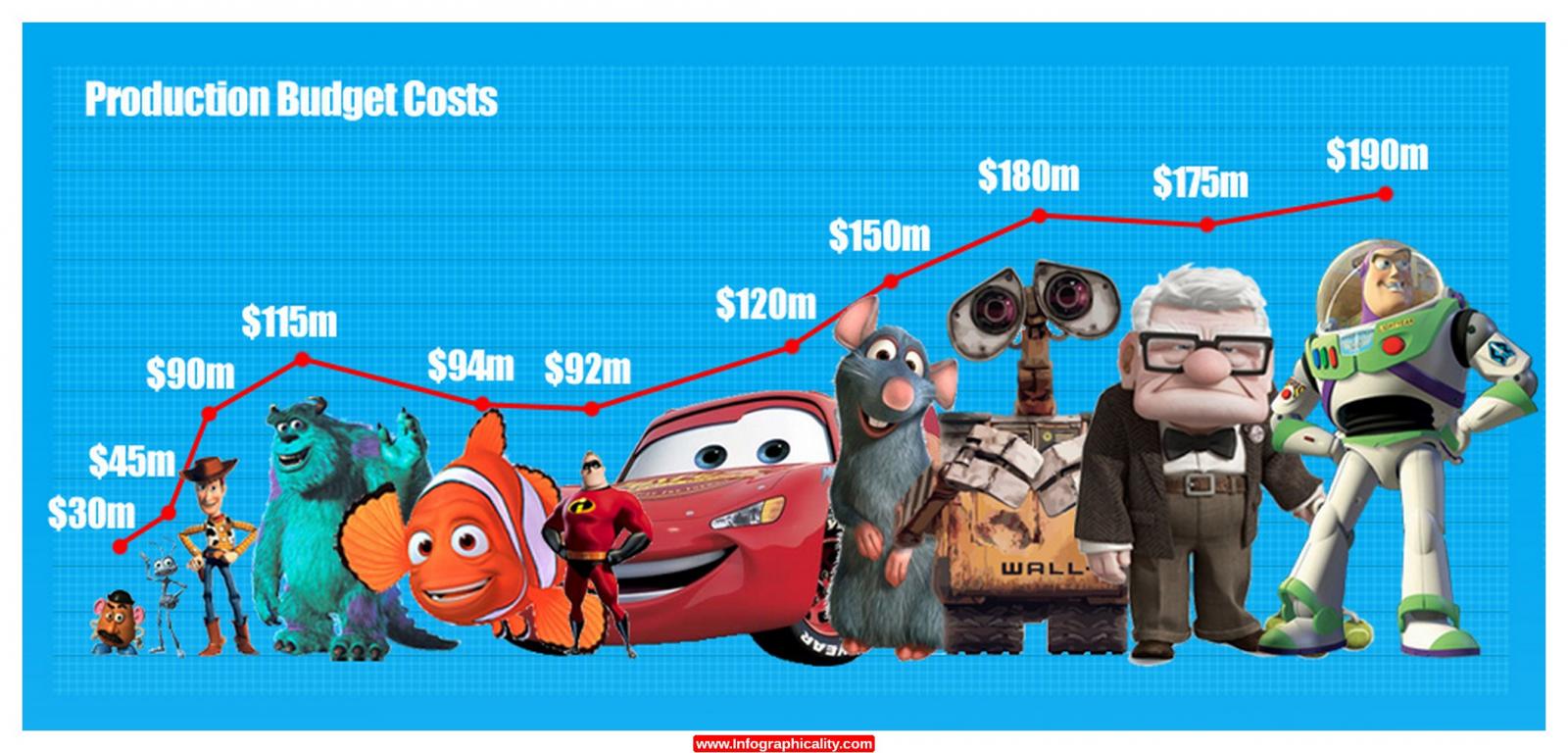
Infographics. Yeah, they’ve been around for a while, but are they still effective as a B2B marketing tool? I’ll admit to becoming a little bit annoyed recently at certain infographics that just don’t meet the mark or that I feel were done just for the sake of creating a visual.
That being said, when you look at infographics as a form of content marketing and apply the same rules, the answer is yes, they’re still a great marketing tool. However, infographics need planning and a purpose to be successful. Stray too far from content marketing 101 and you’re just creating another visual—potentially cool to look at, but doesn’t quite hit the mark. If the viewer doesn’t have a clear take-away, the value of to a brand’s marketing efforts are diminished.
Let’s take a look at four ways infographics can and should be used to provide value to a brand:
1. Responding to Customers’ FAQ: Listen to the questions your customers ask your company most frequently. These might be things like “How can I stop my employees from streaming video of [insert latest global sporting event] at work?” or “How can I best enable my mobile employees to [insert your own use case here]?” Using an infographic to provide a clever and information-packed answer to those frequently asked questions shows you understand customers’ pain points and can provide answers in an easy-to-understand format. They’re also a great format for explaining complex issues to media who want to know more about your business.
2. Capitalizing on the Buzz: If you can tie customers’ issues that need solving to a buzzworthy event, your message will go further—and attract more attention from social media. Stuck for ideas? Inspiration can come from anywhere. Look at what’s going on around you; events like the World Cup, Major League Baseball, the latest celebrity wedding, upcoming elections, summer vacations, back to school, etc. can provide great fodder for infographics that can be applied to just about any business.
3. Simplifying a Difficult Subject: Infographics are great for making the complex seem just simple enough that the average user can grasp. Graphics that walk users through a process step by step can be great educational tools, especially when used as an overview. Infographics can be used as a primer for another deeper piece of content, such as a whitepaper or technical article. Users looking for a deeper dive can be pointed from the infographic to this content.
4. Comparing Two Things: Comparisons are great fodder for infographics because of the endless possibilities—compare similar things, contrast different things, compare across time periods or geographies, etc. Make sure you’re comparing apples to apples, though; even if they’re different varieties, everyone respects a fair comparison.
Stuck for ideas? Daily Infographic and Mashable are two of my favorite sources for infographics that follow content marketing rules creatively to deliver excellent content.
By Sue O’Keefe
[Image courtesy infographicality.com]