
No two people are alike. You probably already know that, but it’s often difficult to act on it when developing collateral.
It’s tough to create, for example, a single white paper or podcast that speaks to every customer on their level. Some of them might be people who are new to the industry, your company or both, so the content isn’t effective if the jargon flies over their head. But many of them also are veterans, so they’ll quickly lose interest – and you’ll lose sales opportunities – if the content talks down to them.
One obvious option is to create a set of collateral for each knowledge level, but that takes time and money. Another option is to begin the podcast, white paper or contributed article with a primer to get newbies up to speed before taking a deep dive into the technical details. The risk with that format is it can make the content longer than many people are willing to read or listen, or beyond the word limit that the publication accepts.
But sometimes longer is better. For example, I’ve ghostwritten white papers that stretched 30 pages or more because those clients knew no one was going to read the whole thing. Instead, they wanted a single, catchall document that existing and potential customers could circulate throughout their company.
Those papers were the equivalent of buffets: big enough to showcase everything that the vendor had to offer, yet presented in a way that enabled readers to graze and choose what appealed to them. Newbies would appreciate the sections that explain the market conditions and technological options, while veterans could skip directly to speeds, feeds and other technical minutia of specific products. Both came away satisfied rather than hungry for more.
Of course, that kind of lengthy collateral often isn’t an option. Here are some tricks for balancing attention spans and knowledge levels:
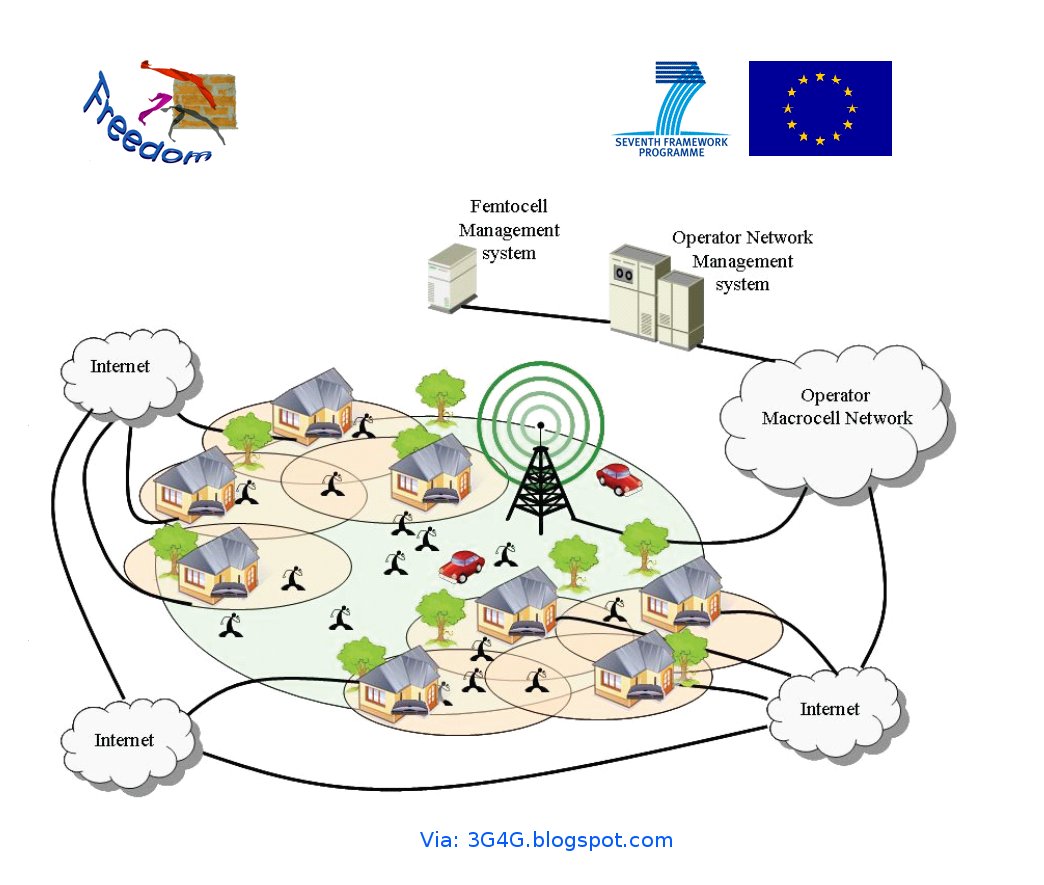
- Use infographics for high-level discussions – such as this one showing how small cells and macro cells work together – so the text can focus on more of the nitty gritty. That’s an example of how a picture really can be worth a thousand words. Infographics also break up the text on each page, which can make a document look shorter and thus a better fit for a busy schedule.
- If the collateral is a PDF or ebook, embed or link to content. That could be as simple as hovering over an acronym to get a popup with the definition and a link to a longer explanation. Or it could be an embedded video of a product demo. Those are just two examples of how electronic formats create options for enabling readers to get the high-level or low-level information they want.
- Use data to make a point. Suppose you’re selling a unified communications solution. The veteran will already know that phone tag can mean lost sales and lost productivity, but the newbie probably doesn’t.
The collateral could start out by describing and quantifying the problem at the same time, such as: “Imagine an employee who makes $50,000 and spends 12 minutes a day checking voice mail. That’s $1,248 annually just listening to messages. Unified communications can eliminate that lost productivity by making it easy for customers and colleagues to reach her right away and with the mode of communication that makes the most sense at that moment.”
Those three sentences introduce the newbies to the concept of UC, maybe with an infographic or embedded content providing additional information. Meanwhile, the veterans get some data points that are both tough to ignore and something they can use to sell their boss on your solution.